
Ecaterina's own story
Freedom through forgiveness
This is my path from anger to forgiveness – and how you, too, can work with forgiving.
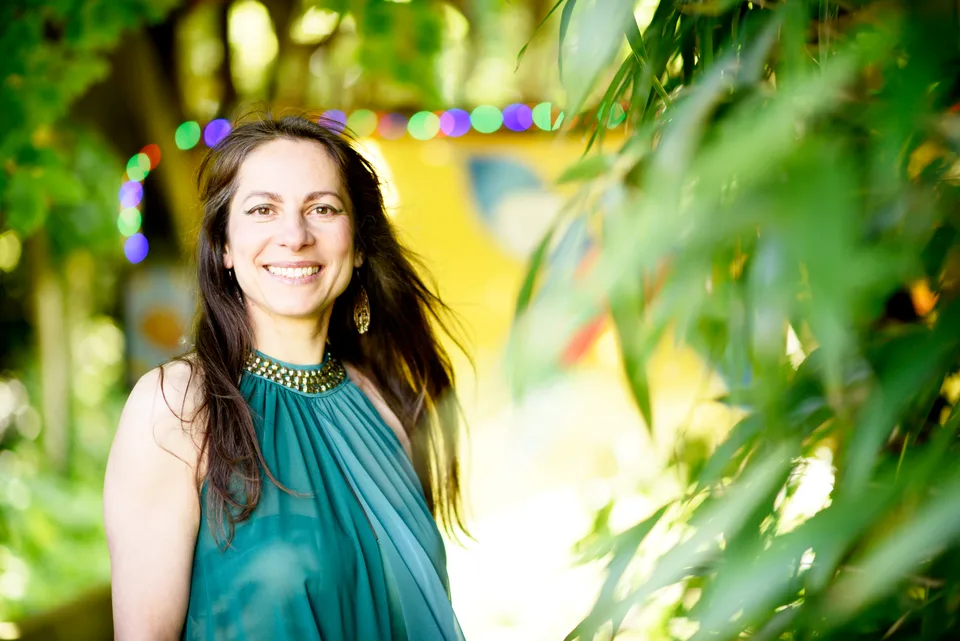
My own journey to forgiveness
As a child, I was beaten many times by my father. When I was 14, I was severely beaten once again.
For me, forgiveness means being able to breathe freely. It means accepting what happened as part of my life and experiences. It means letting go of the anger and hatred I felt towards my father, mother and sister. I feel love now.
Many journeys
When I began deep inner journeys with an experienced guide – my husband Jacob – in 2001, it took numerous sessions, both with and without medicine. It wasn't easy at all. I pounded mattresses with my bare hands and feet countless times. I screamed and screamed, hit and hit.
Eventually, I made it through the process, and my life changed completely. After many deep inner journeys, I travelled back to Moldova and spoke with my parents and sister about what had happened.
A new family
I forgave them, myself and the situations. I felt immensely liberated. Our relationships transformed. There was love and understanding. We became a new family.
Today I guide others
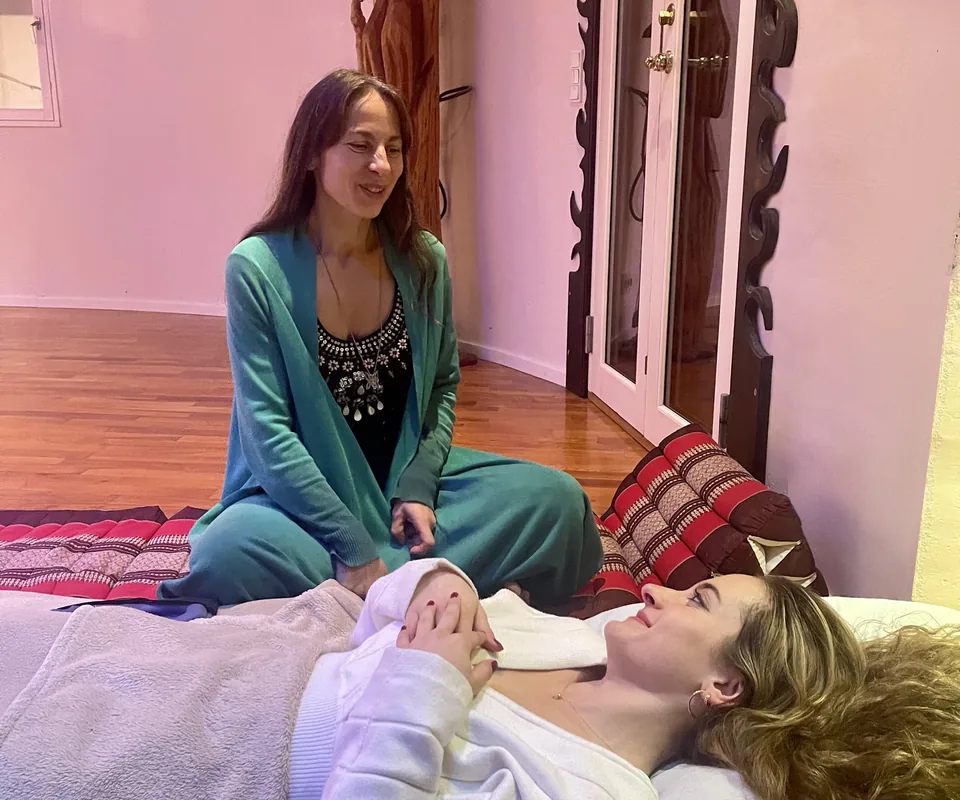
Today, I serve as a guide, supporting others in forgiving those closest to them – and themselves too. In doing so, they can breathe freely and create the life they desire.
Can a 31-year-old forgive their alcoholic mother for 17 years of hell? Yes! It happened on one of our retreats. A few days after the retreat, the participant also met with their mother, and they talked everything through.
What is forgiveness?
Forgiveness is an inner process in which you let pain, anger, guilt and the wish for revenge go. But it is not something you can simply decide to do. Sometimes the feelings are too big. Then you can work with them – feel them, give them room and get them out of your body – until you are able to let go. That is how it was for me too: it took many journeys. In the end, what happened long ago no longer decides who you are or how you live your life.
It is not something you do for the person you forgive – it is a gift you give yourself.
Three kinds of forgiveness
- Forgiving others: When you forgive someone who has hurt you, it does not mean that you accept what happened. It is about setting yourself free from the heavy feelings that hold you in the past.
- Forgiving yourself: Forgiving yourself for the mistakes you have made matters just as much. It asks you to look honestly at yourself, take responsibility and be willing to learn and grow.
- Forgiveness without reconciliation: You can forgive without taking up contact again. Sometimes that is the right choice, if the contact is not healthy or safe for you.
Why forgive?
- For your body: Research shows that forgiveness can ease stress, lower blood pressure and reduce anxiety and depression (Johns Hopkins Medicine).
- For your relationships: Forgiveness can rebuild trust and bring a deeper understanding and connection.
- For your inner freedom: When you hold on to anger and bitterness, the past fills your days. When you forgive, you put that weight down and make room for joy and peace.
Forgiveness is not …
- … approving of or excusing what hurt you.
- … letting someone do it again. You can forgive and still set clear boundaries.
- … forgetting what happened. The memories may still be there, but they no longer need to steer your feelings and what you do.